Manuscript Notes
An old text and an old book are two different things
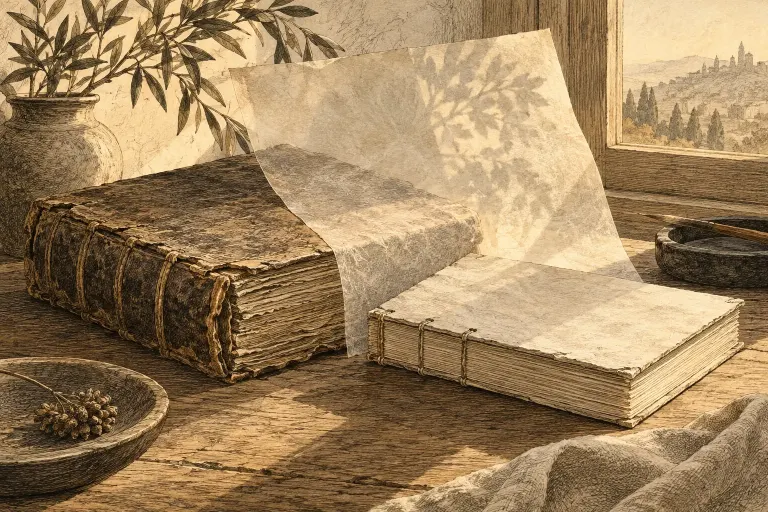
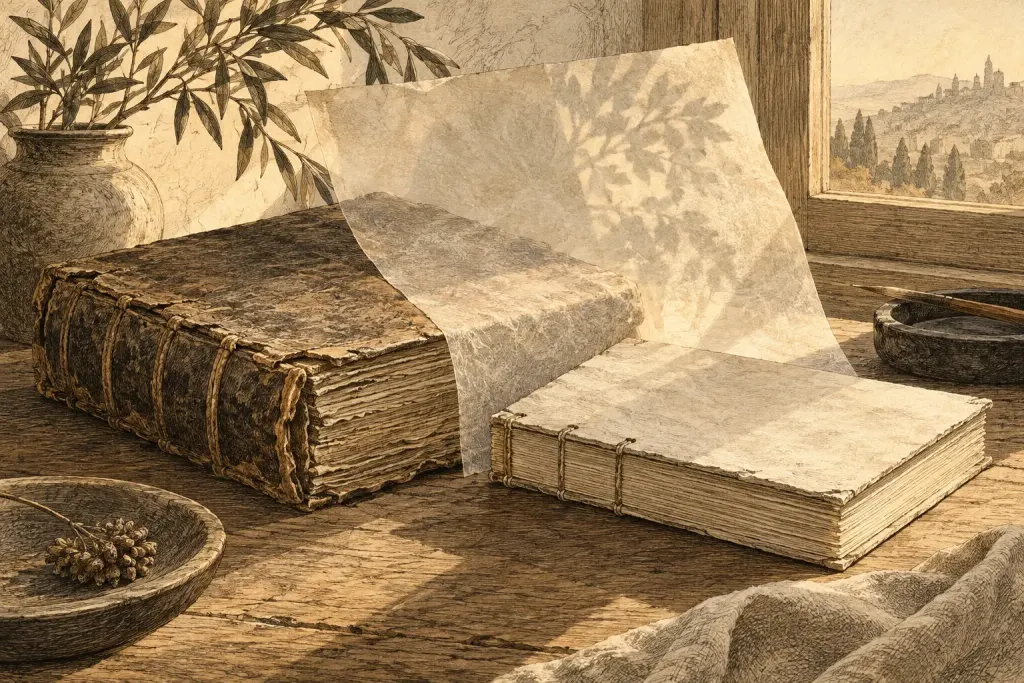
A manuscript has more than one timeline. Separating a work from its surviving copy makes historical reading much clearer.
Religion · philosophy · the life of texts
Follow a manuscript, question a label, look again at a familiar claim. A reading room for the history of thought.
Three ways into a longer conversation.
A manuscript has more than one timeline. Separating a work from its surviving copy makes historical reading much clearer.
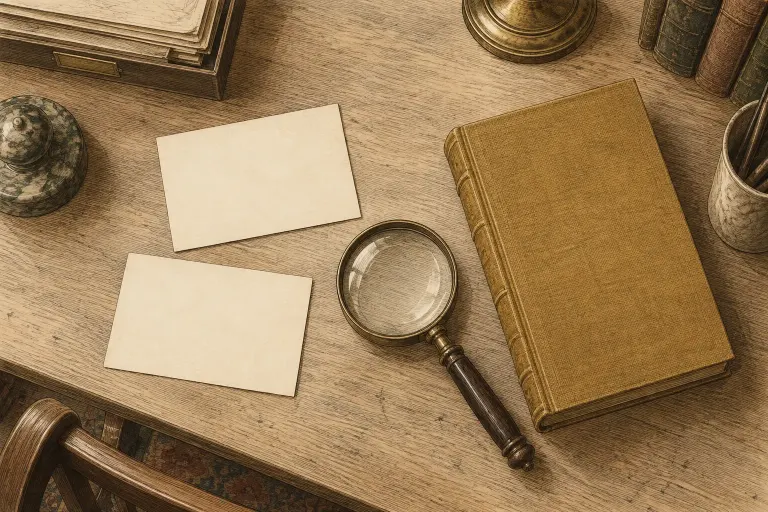
Start with who is speaking, who they hope to reach, and what the surviving document can actually show.
Labels help us navigate unfamiliar ideas. A few careful questions keep them from flattening the material they describe.
Separate a manuscript volume from the individual works it contains, and make reading notes that preserve the difference between text, copy and modern edition.
Brackets and gaps can carry important editorial information. Learn to check an edition’s conventions before treating a supplied word as preserved manuscript text.
Compare two translations through wording, notes and scope, rather than assuming the smoother or older version must be closer to the historical text.
Decorative AI illustrations; no image reproduces a genuine manuscript or archaeological object.